
Especially when that person was my father, and the argument started over something stupid.

It will take time to recall, or even remember, what it was now. Maybe a decision about unnecessary spending on relatives. Maybe a suggestion about brothers marriage. Maybe just one of those “I know better” moments that fathers and sons seem destined to collide over.
Cause faded away, but I do remember the feeling. That tightness in the chest. That urge to explain one more time. If you dont know, let me tell you, logic never wins in such arguments.
Result: nothing gained.
If you’ve lived with a stubborn parent — especially a father — you know this truth intimately: the harder you push, the deeper they dig in.
For years, I thought the solution was better arguments. Clearer logic. More proof. Better words.
I was wrong.
The real shift happened when I stopped trying to change him — and started changing how I showed up.
Understanding Stubbornness (The Part No One Tells You)
- Stubborn people aren’t stupid.
- They aren’t always wrong.
- And they aren’t always trying to hurt you.
More often, stubbornness is about control.
If you tell a stubborn person not to do something, they’ll do it — just to prove they still own their decisions. Opposition feels like an attack on their identity, not just their opinion.
This is especially true with parents. A father who’s spent his life deciding for others doesn’t suddenly enjoy being corrected by his child — even when the child is right.
Once I understood this, everything changed.
The Moment I Stopped Fighting Back
At some point, exhaustion kicks in. You realize every debate ends the same way:
- Raised voices
- Hurt feelings
- No real change
So I tried something radical.
- I stopped correcting.
- Stopped persuading.
- Stopped reacting.
Not out of defeat — but out of strategy. And strangely… things got calmer.
That’s when I discovered something that later matched exactly with what I’d learn from motivational interviewing and resistance psychology:
👉 Resistance grows when it’s pushed. It fades when it’s given space.
What Actually Worked (In Real Life)
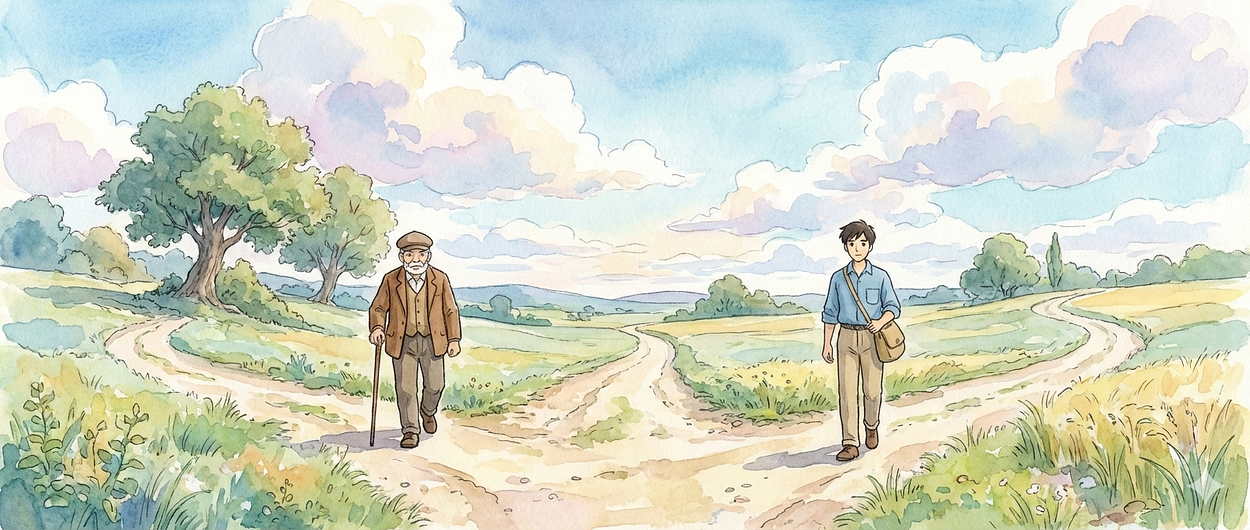
1. Let Them Be — But Quietly Redirect
When a stubborn person gets combative, meeting them head-on is a losing game.
So I let my father be right.
But instead of arguing, I’d redirect his energy.
If he wanted to prove something, I’d say:
“Okay, show me how you’d do it.”
If he was fixed on an opinion, I’d give him a task where being right required effort — research, action, or patience.
Stubbornness, when channeled, becomes persistence.
2. Kindness Disarms Faster Than Logic
This one surprised me.
When I stopped sounding like a critic and started sounding like a son again — something softened.
Not every time. Not instantly. But enough to matter.
A calm tone. Genuine concern. No hidden “I told you so.”
People listen more when they feel safe — not cornered.
3. Slow Down When Resistance Shows Up
This was a huge lesson.
Get Imran Sayyad’s stories in your inbox
Join Medium for free to get updates from this writer.Subscribe
The moment you hear:
- “Yeah, but…”
- Defensive jokes
- Silence or irritation
Stop pushing.
Resistance escalates fast. And once someone feels emotionally trapped, even the best advice sounds like an attack.
So I slowed down. Changed the subject. Let the moment pass.
No victory today — but no damage either.
4. Assume They Know What’s Best (Even If You Disagree)
This mindset shift changed everything.
Instead of thinking “He doesn’t get it”, I started assuming:
“Somewhere inside, he knows what’s best for him — even if he can’t say it yet.”
The moment you believe you know better than someone else, resistance is guaranteed.
Respect — even silent respect — keeps doors open.
5. Call Out the Resistance (Gently)
Sometimes I’d say things like:
“Feels like we’re stuck on this topic. Maybe I’m missing something — help me understand.”
No accusation. No labeling. Just naming the tension.
Resistance hates being dragged into the open — but once it is, it often loses power.
6. Let Time Do the Teaching (My Favorite)
This one takes maturity.
Some lessons can’t be taught. They have to be lived.
So when my father made choices I disagreed with, I let time handle the explanation. And when life eventually proved something?
I didn’t say: “I told you.”
I said, “Are you okay?”
That moment — support without judgment — creates more respect than any argument ever could.
7. When Their Stubbornness Works — Acknowledge It
Here’s the uncomfortable truth:
Sometimes their stubbornness does lead to success.
And when it did, I acknowledged it. No bitterness. No ego.
That humility changed our dynamic more than being right ever did.
The Big Realization
Later, when I studied coaching techniques and worked with highly resistant people — people who didn’t even want to change — I realized something powerful:
People don’t need to want change to change.
They need space, dignity, and the chance to hear themselves think.
Resistance isn’t the enemy. It’s information.
And whether you’re dealing with a client, a colleague, or your own father, the rules are the same:
- Slow down
- Don’t push
- Don’t preach
- Don’t give advice unless invited
- Help them see the gap between what they want and what they’re doing
Let them connect the dots.
Final Thought
Dealing with stubborn people — especially family — isn’t about winning arguments. It’s about preserving relationships without losing yourself.
Sometimes the smartest move isn’t confrontation. It’s guidance so subtle…
They think the idea was theirs all along.
And honestly?
That’s the only kind of victory that lasts.